

 Pravaayu
Elbow Tendonitis Treatment in Ayurveda: Natural Relief
Reviewed by Dr-Keerthana-Pavithran an Ayurveda Practitioner BAMS, CCPT, CCMC An Ayurvedic Practitioner specialized in joint pain, back pain, metabolic disorders.
Dealing with persistent elbow pain can feel like a heavy burden in your daily life. Whether it is a sharp sting when you lift a cup or a dull ache after work, the discomfort often signals an underlying imbalance. For those seeking a holistic path, Elbow Tendonitis treatment in Ayurveda offers a refreshing alternative to conventional painkillers. This ancient science does not just mask the symptoms; it seeks to address the root cause of the inflammation by restoring balance to your body’s vital energies.
Understanding Elbow Tendonitis: A Simple Guide
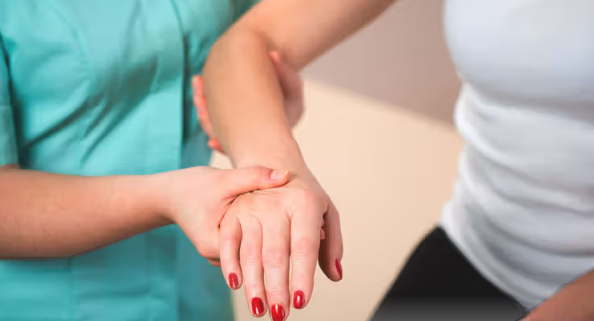
Elbow Tendonitis is a painful condition that occurs when the tendons—the thick, fibrous cords that attach your muscles to your bones—become inflamed or irritated. While it sounds like a single issue, it usually presents as one of two common types: Tennis Elbow (Lateral Epicondylitis) or Golfer’s Elbow (Medial Epicondylitis).
Despite the names, you do not need to be an athlete to suffer from it. Any repetitive motion that puts strain on the forearm muscles can lead to these micro-tears in the tendon.

How Does it Happen?
Think of your tendons like a high-quality climbing rope. They are designed to be strong and flexible. however, if you pull that rope against a sharp rock repeatedly, it begins to fray. In the body, “fraying” happens when we perform repetitive tasks like:
- Typing or using a computer mouse for long hours.
- Painting, carpentry, or gardening.
- Lifting heavy weights with improper form.
- Repetitive twisting motions (like using a screwdriver).
Common Symptoms to Watch For
If you are wondering whether your discomfort is actually tendonitis, look for these signs:
- Localized Pain: A sharp or dull ache on the bony bump on the outside (Tennis Elbow) or inside (Golfer’s Elbow) of your elbow.
- Weak Grip Strength: You might find it difficult to turn a doorknob or hold a heavy coffee mug.
- Morning Stiffness: The joint feels “locked” or particularly sore when you first wake up.
- Radiating Pain: The ache often travels down your forearm toward your wrist.
Why It Matters?
Ignoring Elbow Tendonitis can lead to chronic pain or even permanent weakening of the tendon. Because tendons have a lower blood supply than muscles, they take longer to heal. This is why early intervention—through rest, physical therapy, or natural treatments—is so vital to prevent a minor “fray” from becoming a major tear.
Understanding the Ayurvedic Perspective
In Ayurveda, we view the body through the lens of the three Doshas: Vata, Pitta, and Kapha. Elbow Tendonitis, often characterized by inflammation and sharp pain, typically involves a “Vata-Pitta” imbalance.
- Vata governs movement and can cause dryness or degeneration in the tendons.
- Pitta governs transformation and manifests as the heat or inflammation you feel in the joint.
When you overwork the muscles, these energies become aggravated. Consequently, toxins, or Ama, accumulate around the joint, leading to the stiffness and pain associated with “Snayugata Vata” (vitiation of Vata in the ligaments).
Natural Herbs for Elbow Tendonitis Treatment in Ayurveda
Nature provides a potent pharmacy for healing. Because the goal is to reduce inflammation naturally, certain herbs are highly recommended:
- Guggul: Guggul a powerful resin acts as a natural anti-inflammatory agent. It helps “scrape” away toxins from the joints.
- Shallaki (Boswellia): Shallaki (Boswellia) widely recognized for joint health, it improves blood supply to the connective tissues.
- Ashwagandha: Ashwagandha as an adaptogen, it strengthens the tendons and helps the body manage the stress of chronic pain.
- Turmeric (Haridra): Turmeric (Haridra) active compound, curcumin, is a staple in any Elbow Tendonitis treatment in Ayurveda due to its ability to pacify Pitta and reduce swelling.

According to research published in the Journal of Ethnopharmacology, Ayurvedic botanicals like Boswellia show significant efficacy in reducing joint inflammation and improving mobility.
Deep Dive into Traditional Therapies
Ayurveda emphasizes external treatments to soothe the localized pain. You might find these traditional therapies particularly helpful:
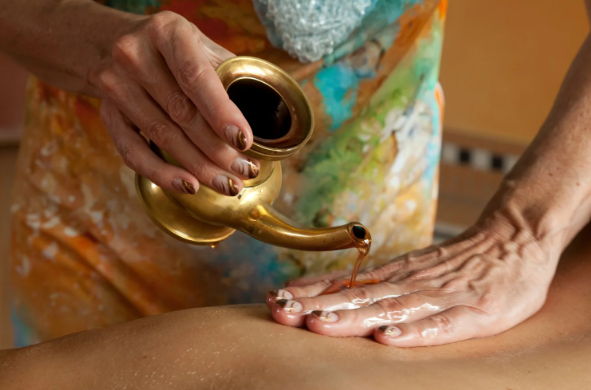
- Abhyanga (Oil Massage): Massaging the arm with medicated oils like Mahanarayan Taila helps lubricate the dry Vata energy. This oil contains over 50 herbs that penetrate deep into the muscle layers. Regular application reduces the friction within the tendon sheath.
- Lepa (Herbal Pastes): Applying a warm herbal paste made of ginger, turmeric, and sandalwood can draw out excess heat. This specifically targets the Pitta component of the injury. It provides immediate cooling relief while the herbs work to dissolve localized Ama.
- Patra Pinda Sweda: This involves using heated herbal boluses (potlis) to provide deep heat therapy. This process improves circulation and flushes out the toxins causing the blockage. It is one of the most effective steps in Elbow Tendonitis treatment in Ayurveda because it softens the stiffened ligaments.
- Upanaha (Poultice): In chronic cases, a medicated poultice is wrapped around the elbow overnight. This prolonged contact allows the medicinal properties of the herbs to seep into the deeper bone and marrow tissues.
The Role of Agni and Digestion
You might wonder how your stomach affects your elbow. Ayurveda teaches that poor digestion (Mandagni) leads to the creation of Ama. These metabolic toxins travel through the bloodstream and settle in weak spots like an overworked elbow. Therefore, a key part of Elbow Tendonitis treatment in Ayurveda involves rekindling your digestive fire.When your digestion is strong, your body produces healthy Ojas (vitality) instead of toxins. This vitality flows to your joints and repairs the micro-tears in the tendons. You should avoid heavy, processed, or fermented foods during the healing phase to prevent further toxin buildup.
Lifestyle and Diet for Recovery
To support your Elbow Tendonitis treatment in Ayurveda, you must look at what you eat. A Vata-pacifying diet is essential for long-term recovery.
- Eat warm, cooked foods: Avoid cold salads or raw sprouts which can increase Vata.
- Incorporate healthy fats: Ghee and sesame oil help lubricate the tissues from within.
- Stay hydrated: Water helps maintain the elasticity of your tendons.
- Pranayama: Breathing exercises like Nadi Shodhana help balance the nervous system, which reduces the body’s sensitivity to pain.
Frequently Asked Questions
1. Can Ayurveda cure chronic elbow pain that has lasted for months?
Yes, Ayurveda focuses on rejuvenating the damaged tissue and balancing the Doshas to provide long-term relief for chronic conditions.
2. Is there a specific oil recommended for elbow massage?
Mahanarayan oil or Dhanwantharam oil are excellent choices as they specifically target Vata imbalances in the joints and ligaments.
3. Does diet really affect tendon inflammation?
Absolutely, as fried and highly acidic foods increase Pitta (inflammation), while warm, nourishing foods help the tendons heal faster.
4. How long does it take to see results with Ayurvedic treatment?
While mild cases may show improvement in two weeks, chronic tendonitis typically requires 4 to 8 weeks of consistent herbal and lifestyle therapy.
5. Are there any yoga poses I should avoid during treatment?
You should avoid weight-bearing poses like Plank or Downward Dog until the acute inflammation has subsided significantly.
Final Thoughts
Choosing Elbow Tendonitis treatment in Ayurveda means opting for a sustainable, root-cause approach. By balancing your Doshas and clearing toxins, you do more than just fix a joint; you revitalize your entire system. This ancient wisdom reminds us that true healing requires patience, the right nourishment, and a deep respect for our body’s natural rhythms. Embrace these natural therapies to regain your strength and move without limitations once again.

About the Reviewer
Dr. Keerthana Pavithran is an Ayurveda Practitioner BAMS, CCPT, CCMC
An Ayurvedic Practitioner specialized in joint pain, back pain, metabolic disorders,
musculoskeletal issues, and chronic lifestyle
diseases. She integrates classical Ayurvedic therapies like Panchakarma, Marma Therapy, diet guidance, and Yoga to provide natural, effective healing while restoring balance and promoting longterm wellness.


