

 Pravaayu
Tricep Tendonitis Treatment in Ayurveda: Natural Relief
Reviewed by Dr-Krutika-Surana Masters of physiotherapy (neurology ) 2 Years of Experience Dr. Krutika, MPT (Neurology), specializes in treating osteoarthritis.
Dealing with a sharp pain at the back of your elbow can be incredibly frustrating. This condition, often called Tricep Tendonitis, usually results from overusing the arm or sudden strain. While modern medicine often relies on painkillers, seeking a Tricep Tendonitis treatment in Ayurveda offers a holistic way to heal the root cause. Ayurveda views this discomfort as an imbalance of the Vata dosha, which governs movement and the nervous system. By balancing your internal energies, you can achieve long-term recovery without harsh side effects.
What is Tricep Tendonitis?
Tricep Tendonitis involves inflammation or tiny tears in the tendon that connects your tricep muscle to the elbow bone. You might feel a dull ache or a sharp sting when you straighten your arm. Athletes and manual laborers frequently suffer from this condition due to repetitive motions. However, anyone can develop it through sudden injury or poor lifting techniques. Statistics show that overuse injuries account for nearly 30% of all sports-related clinic visits (Source). Ayurveda addresses this by looking beyond the elbow and focusing on your body’s overall inflammatory response.

The Role of Vata in Tendon Health
According to ancient wisdom, tendons and ligaments are governed by the Upadhatus of the blood and muscle tissues. When Vata dosha increases, it creates dryness and brittleness in these tissues. Consequently, the tendon loses its elasticity and becomes prone to micro-tears. Therefore, an effective Tricep Tendonitis treatment in Ayurveda must focus on “Snehana” or lubrication. By nourishing the tissues with medicinal oils, you can restore flexibility to the elbow joint.
Natural Remedies and Herbs
Several powerful herbs act as natural anti-inflammatory agents. For instance, Guggulu is famous for its ability to “scrape” away toxins and reduce swelling. Similarly, Ashwagandha helps strengthen the muscle fibers surrounding the tendon.
- Shallaki (Boswellia): This herb reduces joint pain and improves blood supply to the connective tissues.

- Turmeric (Haridra): Curcumin in turmeric provides a potent cooling effect on inflamed tendons.

- Ginger (Sunthi): It improves digestion, which prevents the buildup of Ama (toxins) that worsens inflammation.

Research suggests that Boswellia serrata can significantly reduce pain and improve physical function in musculoskeletal disorders (Source). Using these herbs as part of a Tricep Tendonitis treatment in Ayurveda ensures your body heals from within.
External Therapies for Elbow Relief
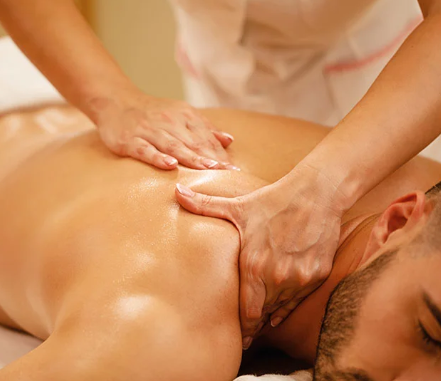
External applications are just as vital as internal herbs. A popular method involves Lepa, which is a medicinal paste applied directly to the elbow. This paste often contains cooling herbs like Sandalwood or Manjistha to draw out the “Pitta” or heat from the inflammation.Furthermore, Abhyanga (Ayurvedic massage) using Dhanwantaram oil or Mahanarayan oil is highly effective. These oils penetrate deep into the skin to calm the aggravated Vata. Moreover, they provide the necessary lubrication to the dry tendon fibers. If you apply these oils regularly, you will likely notice a significant reduction in stiffness.
Dietary Changes to Support Healing
Your diet plays a massive role in how fast your body repairs itself. Ayurveda suggests avoiding “Vata-aggravating” foods like cold salads, crackers, and leftovers. Instead, focus on warm, cooked, and oily foods.
- Include: Ghee, warm soups, ginger tea, and steamed vegetables.
- Avoid: Carbonated drinks, excessive caffeine, and very spicy foods.
A balanced diet ensures that your digestive fire (Agni) stays strong. When your Agni is healthy, your body produces high-quality tissues that can resist injury. This nutritional foundation is a core pillar of Tricep Tendonitis treatment in Ayurveda.
- The Importance of Rest and Recovery: In our fast-paced world, we often ignore the body’s signals for rest. Ayurveda emphasizes the concept of Vishram (rest) during the healing phase. Continuing to lift heavy weights while the tendon is inflamed will only lead to chronic degeneration. Instead, practice gentle movements that do not strain the triceps.
Yoga can be a wonderful companion to your recovery. However, avoid poses like Chaturanga or planks during the acute phase. Focus on neck and shoulder stretches to ensure blood flow to the arms remains unobstructed. This subtle approach makes the Tricep Tendonitis treatment in Ayurveda sustainable for long-term health.
- Managing Chronic Cases: Sometimes, elbow pain persists for months despite basic care. In such chronic cases, Ayurveda recommends Panchakarma or detoxification. Procedures like Virechana (medicated purgation) help clear the system of excess heat and toxins. Additionally, Basti (medicated enemas) is considered the ultimate treatment for Vata disorders. By cleaning the colon, which is the “seat” of Vata, you can resolve stubborn tendon issues that refuse to heal otherwise.
- Lifestyle Adjustments for Prevention: Once your elbow feels better, you must prevent the injury from returning. Ayurveda suggests a daily routine (Dinacharya) that includes self-massage. This practice keeps the tendons supple even as you age. Furthermore, always warm up your joints before any physical activity. Using a small amount of warm sesame oil on your elbows before a workout can act as a protective shield.
- The effectiveness of these preventive lifestyle habits is verified by doctors who focus on musculoskeletal health and sports medicine. Medical professionals agree that maintaining tissue elasticity through regular lubrication and proper warm-ups significantly lowers the risk of re-injury. By following these steps, you ensure that your Tricep Tendonitis treatment in Ayurveda provides lasting benefits rather than a temporary fix.
Frequently Asked Questions (FAQs)
1. Can I use ice packs alongside Ayurvedic oils for tricep pain?
Ayurveda generally prefers warm compresses to balance Vata, but you may use ice briefly for acute swelling. Always wait at least an hour between icing and applying medicinal oils.
2. How long does it take to see results with Ayurvedic treatment?
Minor cases usually show improvement within 2 to 3 weeks of consistent herbal use and rest. Chronic conditions may require 6 to 8 weeks for deep tissue repair.
3. Is “Agnikarma” helpful for tricep tendonitis?
Yes, Agnikarma (thermal micro-cautery) is a specialized Ayurvedic technique that can provide instant relief for chronic tendon pain. It should only be performed by a trained Ayurvedic physician.
4. Should I stop all exercise during my recovery?
You should avoid repetitive pushing motions, but gentle range-of-motion exercises are encouraged to prevent stiffness. Slowly reintroduce weight-bearing activities only after the pain subsides completely.
5. Are there specific oils better for night-time application?
Mahanarayan oil is excellent for night use as it deeply relaxes the muscles and calms the nervous system. Ensure you wrap the elbow in a soft cloth to keep the area warm overnight.
Final Thoughts
Choosing a Tricep Tendonitis treatment in Ayurveda means choosing a path of patience and holistic care. This traditional approach is verified by doctors as a complementary way to manage inflammation and promote tissue regeneration. By addressing the Vata imbalance and nourishing your tissues, you do more than just mask the pain. You build a stronger, more resilient body that is less prone to future injuries. Remember to listen to your body’s signals and provide it with the warmth and nutrition it deserves.

About the Reviewer
Dr. Krutika Surana Masters of physiotherapy (neurology )
2 Years of Experience Dr. Krutika, MPT (Neurology), specializes in treating osteoarthritis, chronic back pain,
Parkinson’s, stroke, spinal injuries, and sports injuries, using evidence-based physiotherapy to restore mobility and reduce pain. She creates personalized treatment plans targeting root causes, using advanced techniques to support recovery, long-term wellness, and improved quality of life.


