

 Pravaayu
Hamstring Tendonitis treatment in ayurveda: Natural Relief
Reviewed by Dr_Nikhita_Kumbhara Bachelor of Physiotherapy (BPT) 3.5 Years of Experience Dr. Nikhita holds a Bachelor of Physiotherapy (BPT) degree with around 3.5 years of clinical experience in physiotherapy practice.
Dealing with a sharp pain in the back of your thigh can be incredibly frustrating. If you are searching for a holistic way to heal, Hamstring Tendonitis treatment in Ayurveda offers a time-tested approach that looks beyond the surface. In the Ayurvedic tradition, this condition is viewed as an imbalance of the Vata dosha, which governs movement and the nervous system. When Vata becomes aggravated due to overexertion or poor nutrition, it causes dryness and inflammation in the tendons.
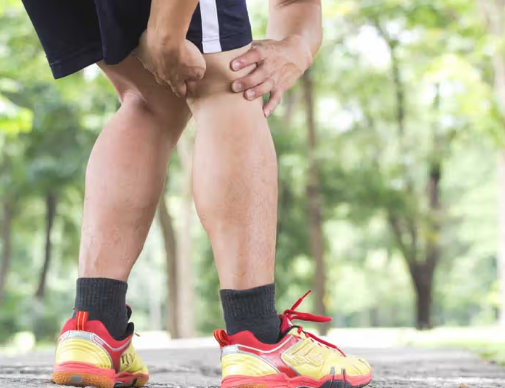
Ayurveda does not just aim to mask the pain. Instead, it focuses on rejuvenating the tissues and restoring the flow of energy. By using specific oils, herbal pastes, and dietary changes, you can address the root cause of the injury. This natural method ensures that the body heals itself without the need for invasive procedures or heavy chemical medications.
What Exactly is Hamstring Tendonitis?
The hamstrings are a group of three muscles that run down the back of your thigh. They allow you to bend your knee and extend your hip. Tendonitis occurs when the thick cords that attach these muscles to the bone become inflamed. While modern sports medicine often suggests “RICE” (Rest, Ice, Compression, Elevation), Ayurveda suggests that “Cold” can sometimes worsen Vata imbalances.

According to research, nearly 12% of all athletic injuries involve the hamstring complex (Source). This high frequency makes it essential to find a recovery path that strengthens the tendon for the long term. Ayurveda classifies such pains under Snayugata Vata, implying that the “wind” element has entered the tendons.
Why Choose Hamstring Tendonitis Treatment in Ayurveda?
Choosing an Ayurvedic path means you are opting for a personalized healing journey. Unlike generalized treatments, an Ayurvedic practitioner looks at your specific body constitution or Prakriti.
- Holistic Recovery: It treats the body as a whole system.
- Natural Anti-inflammatories: It uses herbs like Ashwagandha and Guggulu.
- Lubrication: It focuses on Snehana (oiling) to prevent future stiffness.
- Long-term Strength: It rebuilds the “Dhatus” or body tissues.
By focusing on Hamstring Tendonitis treatment in Ayurveda, you ensure that the tendon regains its original elasticity. This is vital for preventing the “scar tissue” buildup that often leads to chronic relapses in athletes.
The Role of Vata Dosha in Tendon Injuries
In the world of Ayurveda, movement is life. However, excessive movement or “atigati” leads to the depletion of the lubricating fluids in our joints and tendons. When the Vata dosha rises, it creates a “drying” effect. Think of a dry rubber band; it snaps much more easily than a supple, oiled one.When you seek Hamstring Tendonitis treatment in Ayurveda, the first goal is to calm this erratic Vata. Practitioners achieve this by introducing warmth and moisture. Since Vata is cold and dry, the treatment must be hot and oily. This simple logic of opposites is the foundation of Ayurvedic science.
External Therapies for Hamstring Tendonitis Treatment in Ayurveda
External treatments are the most visible part of the healing process. These therapies deliver medicinal properties directly to the site of the pain.
- Abhyanga (Therapeutic Massage): Abhyanga (Therapeutic Massage) is not a regular spa massage. It involves the application of warm, medicated oils like Mahanarayan Taila. The oil penetrates deep into the muscle layers. It carries the healing properties of dozens of herbs directly to the inflamed tendon.
- Janu Basti or Kati Basti: Janu Basti or Kati Basti often used for the knee or back, the Basti technique involves creating a “dam” of herbal dough around the painful area. Warm oil is poured into this dam and kept at a specific temperature. This deep-tissue soaking is a cornerstone of Hamstring Tendonitis treatment in Ayurveda. It provides instant relief from stiffness.
- Lepa (Herbal Pastes): Lepa (Herbal Pastes) a thick paste of turmeric, ginger, and Shallaki can reduce swelling overnight. These herbs act as natural COX-2 inhibitors. Studies show that Boswellia (Shallaki) is highly effective in reducing musculoskeletal pain (Source).
Internal Healing: Herbs that Rebuild Tendons
While external oils are great, internal support is mandatory for a full recovery. Your body needs the right building blocks to repair a torn or inflamed tendon.
- Ashwagandha: Ashwagandha Known as a powerhouse for strength. It helps the body manage the stress of injury.
- Guggulu: Guggulu resin is a potent purifier. It scrapes away toxins (Amavisha) that accumulate in the joints.
- Turmeric (Haridra): It is the ultimate anti-inflammatory agent.
- Lakshadi Guggulu: This specific formulation is often used in Hamstring Tendonitis treatment in Ayurveda to promote the healing of connective tissues.

These herbs work together to improve blood circulation. Better blood flow means more nutrients reach the tendon, which naturally has a poor blood supply compared to muscles.
The Importance of Diet in Recovery
You are what you eat, and your tendons are no exception. During your Hamstring Tendonitis treatment in Ayurveda, you should follow a Vata-pacifying diet.
- Eat Warm Foods: Avoid salads and cold smoothies. Opt for soups and stews.
- Healthy Fats: Include Ghee in your diet. Ghee lubricates the tissues from within.
- Sweet and Salty Tastes: These tastes are grounding and help calm the nervous system.
- Hydration: Drink warm water throughout the day to keep the tissues supple.

Avoiding “dead” foods like frozen meals or highly processed snacks is crucial. These foods create Ama (toxins), which can settle in the hamstrings and increase the sensation of pain.
- Yoga and Movement During Hamstring Tendonitis Treatment in Ayurveda: Many people think they should stop moving entirely. However, Ayurveda suggests “gentle circulation.” Stagnation is the enemy of healing.You should avoid deep forward folds that overstretch the hamstring. Instead, focus on gentle restorative poses. Poses like Savasana or very gentle leg-elevations help drainage. As the Hamstring Tendonitis treatment in Ayurveda progresses, your practitioner will introduce “Vyayama” or specific exercises to strengthen the area. The goal is to build a “protective shield” of muscle around the vulnerable tendon.
- Detoxification through Panchakarma: If the tendonitis is chronic, a full detox might be necessary. Panchakarma is the five-fold purification process. For tendon issues, Virechana (purgation) or Basti (medicated enemas) are often recommended.These treatments remove the deep-seated Vata from the colon, which is the primary seat of this dosha. By clearing the “root” of the problem in the digestive tract, the symptoms in the legs often disappear miraculously. This systemic approach is what makes Hamstring Tendonitis treatment in Ayurveda so unique and effective.
Preventing Recurrence: The Ayurvedic Lifestyle
Ayurveda is a lifestyle, not a quick fix. To ensure the tendonitis does not return, you must maintain a balance.
- Daily Self-Massage: Apply warm oil to your legs before your morning shower.
- Seasonal Awareness: Be extra careful during the autumn and winter when Vata is naturally high in the environment.
- Rest Periods: Always allow for “Avasada” or recovery time between intense physical activities.
Statistics indicate that recurrent hamstring injuries occur in up to 34% of cases within the first year (Source). Following an Ayurvedic routine significantly lowers these odds by maintaining tissue health.
Frequently Asked Questions FAQs
1. How long does Ayurveda take to treat Hamstring Tendonitis?
Most people notice a significant reduction in pain and stiffness within 2 to 4 weeks of consistent therapy.
2. Can I continue my sports training during the treatment?
It is usually best to switch to low-impact movements while the Vata is being stabilized to prevent further micro-tears.
3. Are there any side effects to the Ayurvedic herbs used for tendons?
When taken under the guidance of a practitioner, these natural herbs are safe and typically do not cause the stomach upset associated with chemical painkillers.
4. Is warm oil or ice better for my hamstring pain?
Ayurveda generally recommends warmth to soothe Vata and improve circulation, whereas ice can sometimes increase stiffness in the long run.
5. Does Ayurveda help with old, chronic hamstring injuries?
Yes, the rejuvenation therapies (Rasayana) are specifically designed to repair old tissue damage and break down chronic scar tissue.
Final Thoughts
Healing a hamstring injury requires patience and a deep understanding of your body’s signals. By embracing Hamstring Tendonitis treatment in Ayurveda, you choose a path of gentle yet profound recovery. This ancient science teaches us that we are not just a collection of parts, but a delicate balance of energies. When you restore that balance, the body’s innate healing power takes over. Whether you are an athlete or someone who enjoys daily walks, prioritizing your tendon health through natural means is an investment in your future mobility. Trust the wisdom of the ages and let your body find its rhythm again.

About the Reviewer
Dr. Nikhita Kumbhara
Bachelor of Physiotherapy (BPT)
3.5 Years of Experience Dr. Nikhita holds a Bachelor of Physiotherapy (BPT) degree with around 3.5 years of clinical experience in physiotherapy practice.She has experience in treating musculoskeletal
conditions and also has working exposure to neuromuscular conditions, focusing on pain relief, mobility improvement, and functional recovery.


