

 Pravaayu
Quadriceps Tendonitis Treatment in Ayurveda | Natural Knee Care
Reviewed by Dr-Athika-Chettiar B.A.M.S 20+ years of experience An experienced Ayurvedic Consultant with over 20 years of global practice.
If you are experiencing a dull, persistent ache just above your kneecap, you might be dealing with a common overuse injury. Many fitness enthusiasts and athletes seek Quadriceps Tendonitis treatment in Ayurveda because it offers a holistic way to heal without relying solely on long-term painkillers. While modern medicine often focuses on the mechanical wear and tear of the fiber, Ayurveda looks deeper into the biological energies, or Doshas, that govern your structural integrity.
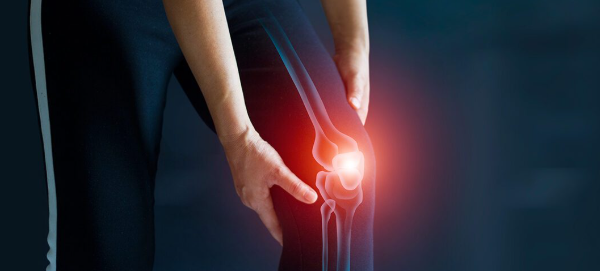
It allows you to straighten your leg and perform essential movements like walking, climbing stairs, and jumping. However, when the load on this tendon exceeds its capacity, micro-tears begin to form.
The Ayurvedic Perspective on Tendon Health
To understand Quadriceps Tendonitis treatment in Ayurveda, we must first look at the “Dhatus” or body tissues. Tendons are considered part of the Mamsa Dhatu (muscle tissue) and Medas Dhatu (fat tissue), specifically acting as the Upadhatu (secondary tissue) of the muscles. When we overwork our legs through repetitive jumping or running, we aggravate the Vata Dosha. Vata is characterized by qualities of dryness, coldness, and mobility.When Vata increases excessively, it “dries out” the lubrication in our joints and tendons. This leads to a condition often categorized under Sandhigata Vata or Snayugata Vata. If your knee feels hot, swollen, or throbbing, the Pitta Dosha is also involved. Pitta represents the fire element, and its aggravation causes the “itis” or inflammation that we recognize in tendonitis. By identifying which Dosha is dominant, an Ayurvedic practitioner can tailor the healing process to your specific body type.
Why the Traditional Approach Works?
Many people turn to Quadriceps Tendonitis treatment in Ayurveda because it avoids the “quick-fix” trap. Modern anti-inflammatory drugs often provide immediate relief but can weaken the tendon over time or cause digestive issues. Ayurveda, conversely, focuses on “Rasaayana” or rejuvenation. The goal is to not only stop the pain but also to make the tendon stronger than it was before the injury.
Statistics show that roughly 10% to 20% of athletes will experience some form of patellar or quadriceps tendon pain during their careers (Source). Ayurveda addresses this by removing Ama (metabolic toxins). These toxins often settle in weakened joints, preventing the body’s natural repair signals from reaching the site of injury. Through specific dietary changes and herbal protocols, you can clear these blockages and accelerate recovery.
External Therapies for Tendon Repair
One of the most effective parts of Quadriceps Tendonitis treatment in Ayurveda involves external applications. These treatments bypass the digestive system and deliver healing nutrients directly to the tendon fibers.
- Janu Basti: The Gold Standard: Janu Basti is a specialized therapy specifically for knee issues. A therapist builds a small “well” or reservoir using black gram dough around the affected knee. They then fill this well with warm, medicated herbal oils. The warmth allows the oil to penetrate deep into the tendon. This process nourishes the Snayu (connective tissue) and pacifies the dryness of Vata.
- Abhyanga and Lepas: Daily application of medicated oils like Mahanarayan Taila or Dhanwantharam Taila can significantly reduce stiffness. Furthermore, Ayurvedic practitioners often use “Lepas.” These are herbal pastes made from ingredients like sandalwood, turmeric, and Jatamansi. When applied to the knee, they draw out excess heat and reduce swelling associated with Pitta-type tendonitis.
Internal Herbal Remedies
Internal support is crucial for long-term Quadriceps Tendonitis treatment in Ayurveda. Herbs are selected based on their ability to strengthen connective tissue and modulate the inflammatory response.
- Guggulu (Commiphora mukul): Guggulu (Commiphora mukul) is perhaps the most famous Ayurvedic herb for joint health. It acts as a natural carrier, helping other herbs reach the deep tissues while reducing pain and clearing toxins.

- Shallaki (Boswellia serrata): Modern research has validated Shallaki for its potent anti-inflammatory properties. It helps in maintaining the integrity of the blood vessels around the tendon, ensuring a steady supply of nutrients.

- Ashwagandha: Often called an adaptogen, Ashwagandha helps the body manage the stress of injury. It also promotes the growth of muscle fibers, which helps take the load off the injured quadriceps tendon.

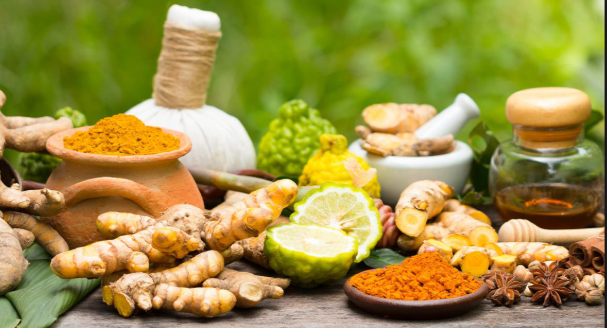
- Turmeric (Haridra): Turmeric contains curcumin, which is highly effective at inhibiting the enzymes that cause inflammation.

Dietary Guidelines for Healing
In Ayurveda, your food is your medicine. If you are undergoing Quadriceps Tendonitis treatment in Ayurveda, you must eat to support tissue repair. A diet that is too “Vata-provoking”—consisting of cold, dry, or processed foods—will slow down your recovery.
- Favor Warm Foods: Eat soups, stews, and cooked grains. These provide the “Ojas” (vital energy) needed for healing.
- Healthy Fats: Include Ghee (clarified butter) in your diet. Ghee is prized in Ayurveda for its ability to lubricate the internal tissues and transport herbal properties deep into the Dhatus.
- Avoid Inflammatory Triggers: Stay away from refined sugar, excessive caffeine, and nightshade vegetables (like tomatoes and white potatoes) if you notice your pain increases after eating them.
Lifestyle and Preventive Care
Recovery is not just about what you take, but also about how you move. During the initial phase of Quadriceps Tendonitis treatment in Ayurveda, rest is non-negotiable. This is often the hardest part for active individuals. However, Ayurveda teaches the concept of “Svastha,” or being established in oneself. This means listening to your body’s signals.
Once the acute pain subsides, gentle movement is introduced. This prevents the tendon from becoming brittle. Simple ankle circles and gentle quadriceps contractions help maintain blood flow without straining the injury. Practicing mindfulness and “Pranayama” (breathing exercises) can also help. These practices lower systemic stress, which in turn lowers inflammation levels throughout the body.
The Importance of Proper Digestion (Agni)
A unique aspect of Quadriceps Tendonitis treatment in Ayurveda is the focus on Agni or digestive fire. If your digestion is weak, you cannot produce high-quality tissue. Poor digestion leads to the creation of Ama, which circulates in the blood and gets stuck in the joints.
To support your Agni during recovery:
- Eat your largest meal at noon when the sun is at its peak.
- Sip warm ginger tea throughout the day.
- Avoid snacking between meals to allow your previous meal to digest fully.
- By strengthening your digestion, you ensure that the herbal supplements you take are actually absorbed and utilized by your knee.
When to Seek Professional Guidance
While home remedies like turmeric milk can help, chronic tendonitis usually requires professional intervention. A qualified Ayurvedic doctor can perform “Nadi Pariksha” (pulse diagnosis) to determine your exact state of imbalance. They might suggest a “Panchakarma” protocol—a deep cleansing process—if the tendonitis is a recurring problem. This ensures that the Quadriceps Tendonitis treatment in Ayurveda targets the root cause rather than just the symptoms.
Frequently Asked Questions (FAQs)
1. Does Ayurveda recommend ice for Quadriceps Tendonitis?
Ayurveda generally avoids ice because its cold nature increases Vata and can cause the tissues to contract and harden. Instead, it suggests warm, medicated oils or room-temperature herbal pastes to manage inflammation without compromising circulation.
2. Can I continue to run while undergoing Ayurvedic treatment ?
It is usually best to avoid high-impact activities like running until the Vata imbalance is stabilized. Your practitioner will advise you on when it is safe to return to sport based on your “Bala” or strength.
3. Are there specific yoga asanas for quadriceps tendon health?
While you should avoid strenuous poses, gentle stretches like Supta Padangusthasa (Reclining Big Toe Pose) can help. Always ensure you are not overstretching the tendon during the acute phase of healing.
4. Is Ghee really necessary for tendon recovery?
Yes, Ghee is highly valued because it nourishes the Majja Dhatu (marrow and nervous system). It provides the necessary lubrication to the connective tissues, making them more resilient to future stress.
5. How can I prevent the recurrence of tendonitis using Ayurveda?
Prevention involves maintaining a Vata-balancing routine. This includes regular oil massages (Abhyanga), eating seasonal foods, and staying hydrated to keep the tendons supple and strong.
Final Thoughts
Embracing Quadriceps Tendonitis treatment in Ayurveda is a journey toward total body harmony. By shifting the focus from a single painful spot to the entire ecosystem of your health, you achieve more than just pain relief. You cultivate a body that is flexible, strong, and balanced. Through the right combination of herbs, therapies, and a mindful diet, you can overcome tendon pain and return to your favorite activities with newfound wisdom and vitality.

About the Reviewer
B.A.M.S 20+ years of experience
An experienced Ayurvedic Consultant with over 20 years of global practice, specializing in knee pain, back pain, arthritis, frozen shoulder,slipped disc, and other musculoskeletal disorders. She combines classical therapies like Panchakarma, Marma Therapy, Cupping, Agni Karma, and Suchi Karma to provide natural, effective healing. Her holistic approach focuses on personalized care, aiming to restore balance, relieve pain, and promote long-term wellness.


