

 Pravaayu
Wrist Tendonitis Treatment in Ayurveda: A Natural Relief
Reviewed by Dr-Keerthana-Pavithran an Ayurveda Practitioner BAMS, CCPT, CCMC An Ayurvedic Practitioner specialized in joint pain, back pain, metabolic disorders.
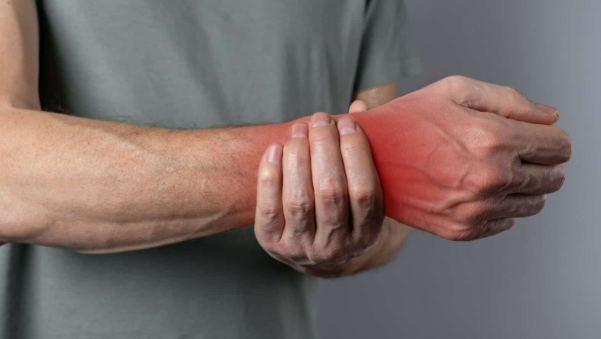
Do you often feel a sharp, nagging pain in your wrist after a long day of typing or lifting? This discomfort might be more than just simple fatigue. If the tendons in your wrist are inflamed, you are likely dealing with tendonitis. While modern medicine often focuses on temporary pain relief, wrist tendonitis treatment in Ayurveda offers a holistic path to recovery. By addressing the root cause of the inflammation, Ayurveda helps restore balance to your body. This ancient science views the body as an interconnected system where physical alignment and internal harmony go hand in hand.
Understanding Wrist Tendonitis Through the Ayurvedic Lens
In the world of Ayurveda, your health is governed by three primary energies or doshas: Vata, Pitta, and Kapha. Wrist tendonitis is typically seen as a Vata-Pitta disorder. Vata governs movement and the nervous system, while Pitta manages inflammation and heat. When you overwork your wrist, Vata becomes aggravated, leading to dryness and stiffness in the joints. Simultaneously, Pitta rises, causing the “burning” sensation and swelling we recognize as inflammation.
According to a study published by the National Center for Biotechnology Information, Ayurvedic treatments for musculoskeletal disorders show significant efficacy in reducing pain scores. This is because the focus remains on “Snehana” (lubrication) and “Swedana” (sudation), which directly counteract the dry and rigid nature of Vata-related injuries.
The Importance of Early Wrist Tendonitis Treatment in Ayurveda
Ignoring wrist pain can lead to chronic conditions like carpal tunnel syndrome or permanent stiffness. Seeking wrist tendonitis treatment in Ayurveda early allows for non-invasive healing. Unlike over-the-counter painkillers that may irritate the stomach, Ayurvedic remedies use natural herbs and oils. These substances penetrate deep into the tissues to repair the damage rather than just masking the symptoms.
- Vata Balance: Restoring the flow of energy to the wrist.
- Toxin Removal: Clearing “Ama” (metabolic waste) from the joint space.
- Tissue Regeneration: Using “Rasayana” herbs to strengthen the tendons.
Herbal Powerhouses for Recovery
Nature provides a vast pharmacy for those seeking wrist tendonitis treatment in Ayurveda. Several herbs stand out for their ability to cool the heat of Pitta and ground the instability of Vata.
- Guggulu: The Natural Anti-Inflammatory: Guggulu is perhaps the most famous resin in Ayurvedic orthopedics. It acts as a potent anti-inflammatory agent. Research in the Journal of Dietary Supplements suggests that Guggulsterones can inhibit the markers that cause joint swelling.
- Ashwagandha: The Strength Builder: While Guggulu handles the swelling, Ashwagandha focuses on the structure. It is an adaptogen that helps the body manage stress and promotes the repair of connective tissues. It ensures that once the inflammation subsides, the tendon regains its original strength.
- Shallaki (Boswellia): Shallaki is widely recognized for improving blood supply to the joints. By enhancing circulation, it ensures that healing nutrients reach the affected wrist tendons faster.

External Therapies: The Magic of Medicated Oils
One of the most soothing aspects of wrist tendonitis treatment in Ayurveda involves external applications. These therapies provide immediate relief while working on long-term repair.
- Abhyanga (Massage): Massaging the wrist with warm Mahanarayan oil or Dhanwantharam oil is highly effective. These oils contain dozens of herbs that pacify Vata. The gentle friction of the massage also breaks down adhesions in the tendon fibers.
- Lepa (Herbal Paste): Applying a warm paste made of turmeric, ginger, and sandalwood can draw out the heat. This is especially useful during the “Pitta phase” when the wrist feels hot to the touch or looks red.
- Upanaha (Medicated Bandaging): In this process, a thick herbal paste is applied to the wrist and wrapped with medicinal leaves. This creates a localized “sauna” effect. It allows the medicinal properties of the herbs to seep deep into the tendon sheath overnight.
Diet and Lifestyle: Fueling Your Recovery
You cannot achieve total success with wrist tendonitis treatment in Ayurveda without looking at your plate. Ayurveda teaches that “you are what you digest.” If your digestion is weak, your body produces Ama, which settles in your weakest joints.
Foods to Favor:
- Warm, Cooked Meals: These are easy to digest and grounding for Vata.
- Healthy Fats: Ghee and sesame oil lubricate the joints from within.
- Anti-inflammatory Spices: Turmeric, ginger, and black pepper should be staples in your kitchen.
Foods to Avoid:
- Cold and Raw Foods: These increase Vata and can make the wrist feel stiffer.
- Refined Sugar: Sugar triggers Pitta and increases inflammation throughout the body.
- Caffeine: High caffeine intake can lead to dehydration of the tissues, making tendons more brittle.

Yoga and Movement for Tendon Health
Movement is essential, but it must be the right kind of movement. In the initial stages of wrist tendonitis treatment in Ayurveda, total rest is often advised. However, as the pain subsides, gentle “Sukshma Vyayama” (subtle exercises) can help.
Simple wrist rotations and finger stretches, done with deep breathing, help maintain flexibility. Avoid “weight-bearing” yoga poses like Plank or Downward Dog until your Ayurvedic practitioner confirms that the tendons have regained their integrity. Instead, focus on Pranayama (breathing exercises) like Nadi Shodhana, which helps balance the nervous system and reduces the perception of pain.
The Role of Detoxification (Panchakarma)
For chronic or recurring cases, a deeper cleanse might be necessary. Wrist tendonitis treatment in Ayurveda often culminates in Virechana (purgation therapy) to balance Pitta or Basti (medicated enema) to ground Vata. These treatments clear the systemic imbalances that cause the tendons to be vulnerable in the first place. When the internal environment is clean, the local treatment on the wrist becomes much more effective.

Frequently Asked Questions (FAQs)
1. Can I use ice packs for wrist tendonitis according to Ayurveda?
Ayurveda generally prefers warm compresses over ice, as cold increases Vata and can cause stiffness, though brief cooling is okay for intense Pitta heat.
2. How long does it take to see results with Ayurvedic treatment?
While mild cases show improvement in 1 to 2 weeks, chronic tendonitis may require 4 to 6 weeks of consistent herbal and oil therapy.
3. Is turmeric enough to cure my wrist pain?
Turmeric is a powerful aid, but it usually works best when combined with other herbs like Guggulu and external oil applications.
4. Can I continue my gym workout during treatment?
It is best to avoid heavy lifting or repetitive grip movements until the inflammation has completely subsided to prevent further tearing.
5. Does stress make wrist tendonitis worse?
Yes, high stress increases Vata dosha, which can heighten pain sensitivity and slow down the natural healing process of your tendons.
Final Thoughts
Healing your body requires patience and a shift in perspective. Choosing wrist tendonitis treatment in Ayurveda means you are choosing to listen to your body’s signals rather than silencing them. By balancing your doshas, nourishing your tissues, and adopting a mindful lifestyle, you can return to your daily activities with strength and ease. True recovery is not just about the absence of pain; it is about the presence of vitality in every movement you make.

About the Reviewer
Dr. Keerthana Pavithran is an Ayurveda Practitioner BAMS, CCPT, CCMC
An Ayurvedic Practitioner specialized in joint pain, back pain, metabolic disorders,
musculoskeletal issues, and chronic lifestyle
diseases. She integrates classical Ayurvedic therapies like Panchakarma, Marma Therapy, diet guidance, and Yoga to provide natural, effective healing while restoring balance and promoting longterm wellness.


