

 Pravaayu
Extensor Tendonitis Treatment in Ayurveda: Natural Recovery
Reviewed by Dr_Nikhita_Kumbhara Bachelor of Physiotherapy (BPT) 3.5 Years of Experience Dr. Nikhita holds a Bachelor of Physiotherapy (BPT) degree with around 3.5 years of clinical experience in physiotherapy practice.
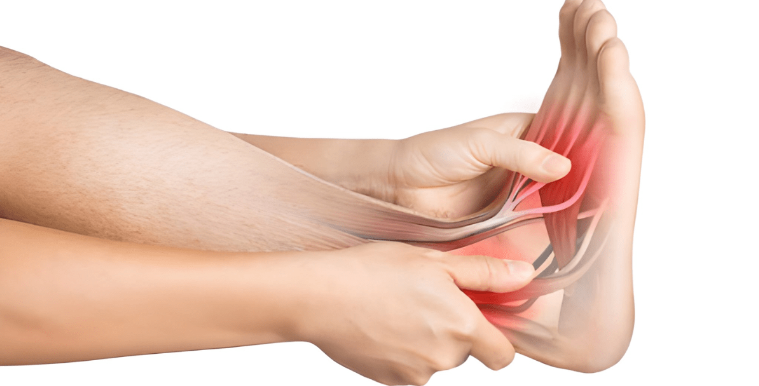
Dealing with a sharp, nagging pain on the top of your foot can disrupt your entire day. This discomfort often stems from inflammation of the tendons that lift your toes. While modern medicine focuses on rest and anti-inflammatories, Extensor Tendonitis treatment in Ayurveda offers a deeper approach. Ayurveda views this condition as an imbalance of bodily energies, specifically Vata and Pitta. By addressing the root cause, you can find sustainable relief and prevent the pain from returning.
Understanding the Ayurvedic Perspective
In the world of Ayurveda, your body functions through three primary Doshas: Vata, Pitta, and Kapha. Extensor Tendonitis is primarily a Vata-Pitta disorder. Vata governs movement and the nervous system. When Vata becomes aggravated due to overexertion or cold, it causes dryness and stiffness in the tendons.
Simultaneously, the “itis” in Tendonitis signifies inflammation, which is a hallmark of increased Pitta (the fire element). Therefore, a successful Extensor Tendonitis treatment in Ayurveda must calm the erratic Vata and cool the burning Pitta. This dual approach ensures that both the structural strain and the inflammatory heat are managed effectively.
Common Causes and Symptoms
Before diving into the treatment, it is vital to recognize the signs. Most people feel a dull ache on the top of the foot while running or walking. Sometimes, wearing shoes that are too tight triggers the flare-up. Research indicates that repetitive strain is the most common culprit for tendon injuries. According to a study published in the Journal of Orthopaedic & Sports Physical Therapy, mechanical loading is a primary factor in tendon degeneration. Ayurveda adds that a diet full of dry, processed, or excessively spicy foods can further weaken these tissues.
Holistic Extensor Tendonitis Treatment in Ayurveda
The journey toward healing begins with internal and external therapies. Ayurveda does not believe in a “one size fits all” pill. Instead, it utilizes the power of nature to lubricate joints and reduce heat.
1. Herbal Internal Medicines
Herbs are the backbone of any Extensor Tendonitis treatment in Ayurveda. Several potent plants work specifically on the musculoskeletal system:
- Guggulu: Guggulu resin is famous for its anti-inflammatory properties. It acts as a natural “scraper” to remove toxins (Ama) from the joints.
- Shallaki (Boswellia): Shallaki (Boswellia) Often compared to modern painkillers, Shallaki helps improve blood supply to the tendons.
- Ashwagandha: As an adaptogen, it strengthens the tendons and reduces the stress caused by chronic pain.

2. External Therapies (Snehana and Swedana)
External applications are incredibly effective for localized foot pain. One of the most recommended steps in Extensor Tendonitis treatment in Ayurveda is Abhyanga or medicated oil massage. Using oils like Mahanarayan Taila or Dhanwantharam Taila can work wonders .
These oils contain Vata-pacifying herbs that penetrate deep into the tissues. After applying the oil, gentle steam or a warm compress (Swedana) helps the pores open up, allowing the medicinal properties to reach the inflamed tendons.
Dietary Adjustments for Tendon Health
Your diet plays a massive role in how quickly you recover. Since this condition involves Pitta inflammation, you should avoid “hot” foods. This includes chili, vinegar, and fermented items like alcohol or old cheese.
Instead, focus on “cooling” and “nourishing” foods. Incorporate ghee (clarified butter) into your meals. Ghee is highly regarded in Extensor Tendonitis treatment in Ayurveda because it lubricates the tendons from within. Whole grains, sweet fruits, and blanched almonds provide the necessary strength to rebuild damaged fibers.
Furthermore, staying hydrated is essential. Dehydration increases Vata, making tendons brittle and more prone to micro-tears.
Lifestyle Modifications and Rest
Rest is not just “doing nothing”; in Ayurveda, it is a period of active recovery. You must identify the activity that caused the strain. If you are a runner, you might need to evaluate your footwear.
Ayurvedic experts often suggest gentle stretching only after the initial acute pain has subsided. Moving too early can aggravate the Vata. However, keeping the foot completely stagnant for weeks can lead to stiffness. A balanced approach of rest and very gentle, mindful movement is the hallmark of effective Extensor Tendonitis treatment in Ayurveda.
The Role of Panchakarma
For chronic cases, a detox process known as Panchakarma might be necessary. Specifically, Virechana (purgation therapy) helps clear excess Pitta from the blood. Basti (medicated enema) is considered the ultimate treatment for Vata disorders. While these might sound intense, they provide a clean slate for the body to heal itself.
According to data from the National Center for Biotechnology Information (NCBI), Ayurvedic treatments for musculoskeletal disorders have shown significant improvement in patient mobility and pain reduction. This supports the efficacy of a structured Extensor Tendonitis treatment in Ayurveda.
Specific Ayurvedic Remedies to Try at Home
While professional guidance is best, some simple home remedies can support your Extensor Tendonitis treatment in Ayurveda:
- Turmeric Paste: Mix organic turmeric powder with a little water or aloe vera gel. Apply it to the top of the foot to draw out heat.

- Epsom Salt Soak with Ginger: While Epsom salt isn’t strictly Ayurvedic, adding dry ginger powder to warm water creates a “Vata-shaman” (Vata-calming) soak.

- Castor Oil Pack: Castor oil is deeply penetrative. Applying a warm castor oil pack at night can soften stiff tendons.

- Importance of Footwear and Alignment: Ayurveda teaches us that the body is an integrated system. Pain in the foot could be related to an imbalance in the hips or spine. Consequently, checking your posture is a key part of Extensor Tendonitis treatment in Ayurveda. Ensure your shoes are not laced too tightly across the bridge of the foot, as this puts direct pressure on the extensor tendons.
- Prevention: The Ayurvedic Way : Once the pain subsides, prevention becomes the priority. Regular oil application to the feet, known as Padabhyanga, keeps the tendons supple. This practice prevents the dryness that leads to future injuries. Including bone-strengthening herbs like Arjuna or Laksha can also provide a solid foundation for your physical activities.
FAQs about Extensor Tendonitis
1. Can wearing tight shoes cause Extensor Tendonitis?
Yes, excessive pressure from tight laces can compress the tendons against the bone, leading to inflammation and pain.
2. How long does it take for Ayurveda to heal foot tendonitis?
Most people see significant improvement within 4 to 6 weeks of consistent herbal therapy and lifestyle changes.
3. Is walking allowed during the recovery phase?
Short, mindful walks on flat surfaces are usually fine, but you must avoid hills or uneven terrain that strains the top of the foot.
4. Are there specific Yoga poses to avoid?
You should avoid poses that require deep “plantar flexion” or intense stretching of the top of the foot, like Hero’s Pose (Virasana), until fully healed.
5. Does weather affect this condition according to Ayurveda?
Cold and damp weather increases Vata, which can make the tendons feel stiffer and more painful during the winter months.
Final Thoughts
Choosing an Extensor Tendonitis treatment in Ayurveda means choosing a path of patience and holistic healing. By balancing your internal energies and nourishing your tissues with herbal oils, you address the cause rather than just the symptom. This ancient wisdom provides a gentle yet powerful way to reclaim your mobility. Remember to listen to your body, nourish it with the right foods, and allow nature to lead your recovery.

About the Reviewer
Dr. Nikhita Kumbhara
Bachelor of Physiotherapy (BPT)
3.5 Years of Experience Dr. Nikhita holds a Bachelor of Physiotherapy (BPT) degree with around 3.5 years of clinical experience in physiotherapy practice.She has experience in treating musculoskeletal
conditions and also has working exposure to neuromuscular conditions, focusing on pain relief, mobility improvement, and functional recovery.


